

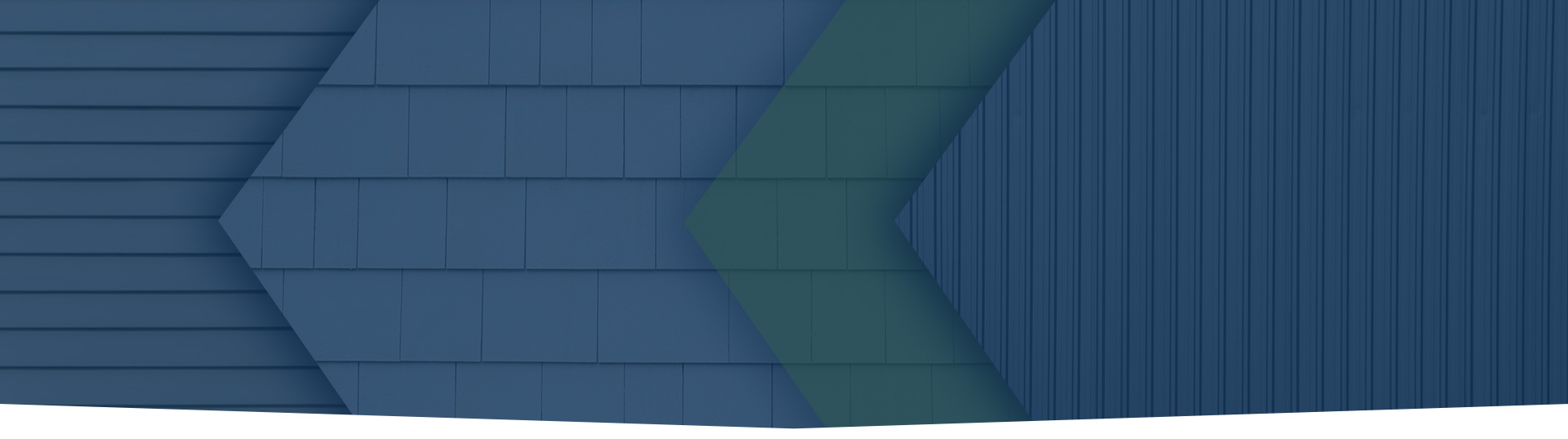
Siding Types for Your DMV Home in Gaithersburg, MD
Are you interested in replacing your home’s siding? You can certainly upgrade it with the same material and style you have now, but it may be advantageous to explore the other options out there.
Two of today’s most popular types of siding are vinyl and fiber cement. These materials look similar to the untrained eye, especially because you can find them in many of the same design profiles. Learn more about the different looks available, then compare vinyl and fiber cement siding to help you decide which material suits your needs best.
No matter which siding style or material you choose, BRAX Roofing can perform the installation you’re looking for. Contact us online or call (301) 691-4107 to request a siding replacement estimate in the DMV area.
Siding Styles Available in Vinyl & Fiber Cement
Horizontal Lap
This is the most popular siding profile in North America. The slightly overlapping horizontal boards offer a timeless look that compliments numerous architectural styles.
Dutch Lap
This sophisticated version of horizontal lap siding includes a bevel cut into the top edge of each board, creating a deep shadow line that changes as the sun moves across the sky.
Board & Batten
The simple arrangement of flat boards with thin, vertical battens has been a popular siding style for centuries. The practical aesthetic is often found in rural and farmhouse settings.
Vertical Panels
Flat panels with shallow vertical details add texture while minimizing shadow lines when that’s the homeowner’s preference.

Shakes
Shakes are originally made of cedar wood and offer a rustic, highly textured appearance. Vinyl and fiber cement shakes come in large panels, making them easier to install. They are also far more durable than natural wood shakes.
Soffit Boards
Soffits are the underside of the roof eave. The two main finishes for this surface are beaded (pictured) and solid.
James Hardie Fiber Cement vs. Vinyl Siding
Vinyl siding first became available in the 1960s. Vinyl remains popular today because of its affordability, versatility, and low maintenance requirements. In comparison, James Hardie fiber cement siding, also called Hardie board, was invented in the 1980s. This material — an infusion of cement, sand, and cellulose fibers — quickly became one of the most common siding replacements in the U.S.
So which one is better — vinyl or fiber cement siding? In almost all cases, fiber cement comes out on top. Take a look:
- Appearance: As a plastic material, vinyl is limited in mimicking wood grain. Deep embossing is also impossible because the material is relatively thin. Made of natural ingredients and 5 times thicker than vinyl siding, James Hardie fiber cement can achieve a much more natural-looking aesthetic.
- Sustainability: Vinyl is another word for PVC, an unsustainable material that cannot be recycled easily. By comparison, fiber cement is much more eco-friendly, generating half the carbon emissions of vinyl during manufacturing. While there are no recycling programs for Hardie board, fiber cement is an inert material, causing much less environmental concern.
- Durability: Vinyl is more likely to crack, warp, and buckle over time than fiber cement. As a result, vinyl is estimated to last 20 to 40 years, while fiber cement boasts a life span of 50 years or more.
- Fire resistance: While vinyl siding does not ignite quickly and is inherently flame-retardant, it releases toxins when burned. On the other hand, James Hardie fiber cement meets the strictest fire resistance standards and burns cleanly if it eventually ignites in a house fire.
- Weather resistance: Vinyl is far thinner, weaker, and more temperature-sensitive than fiber cement. Alternatively, properly installed Hardie board repels moisture buildup, endures temperature extremes, and withstands wind speeds up to 200 mph.
- Cost: The big win for vinyl siding is that it costs less than Hardie board, making it a more budget-friendly option. However, if you’re willing to invest in a more durable, long-lasting product, you’ll reap the rewards for years to come.
Read More: What Is James Hardie Fiber Cement Siding?

.png.2601061315477.webp "Brava logo")


