

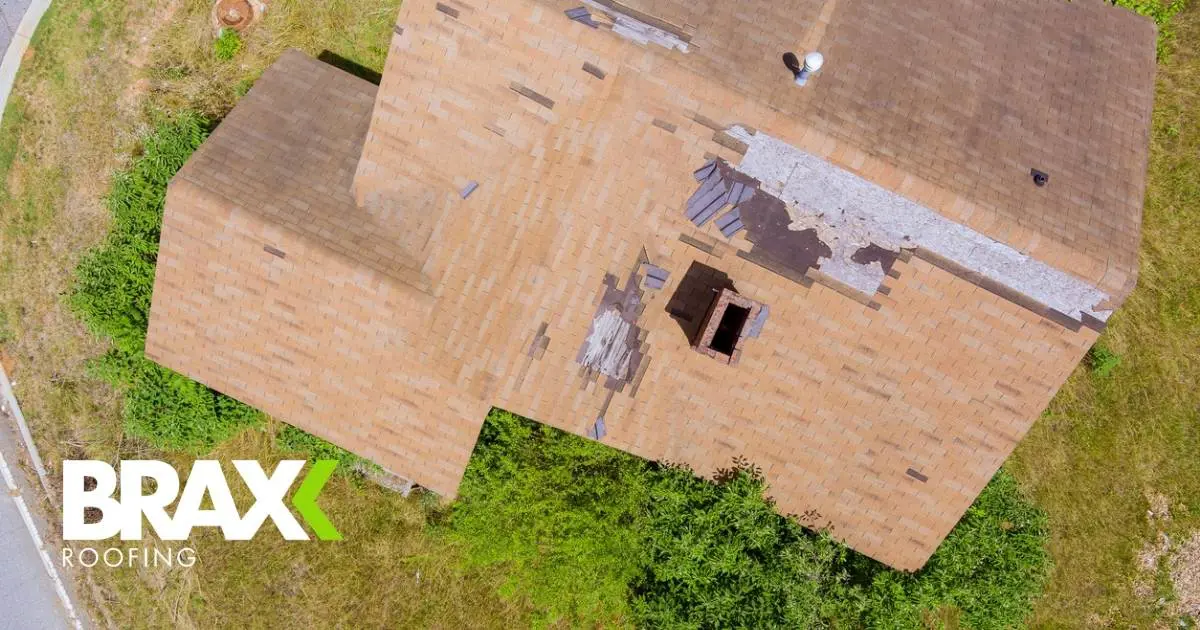
When severe weather sweeps through Maryland, Virginia, or D.C., your home takes the brunt of nature's force. High winds, heavy ice, and driving rain can compromise your roof's integrity in ways that aren't always visible from the ground. Understanding what to look for after a storm and how modern technology can help assess damage quickly can save you thousands in repair costs and protect your family's safety.
Don't wait to address potential roof damage. Contact BRAX Roofing today at (301) 691-4107 or fill out our online contact form to schedule a comprehensive roof inspection.
Understanding Storm Damage to Your Roof
Storm damage comes in many forms, and not all of it is immediately obvious. While a missing shingle might catch your eye, other types of damage can hide in plain sight until they become serious problems.
Wind damage occurs when gusts lift shingles, break seals, or tear materials completely away from your roof deck. Ice storms create a different challenge by adding weight and causing water to back up under shingles as it melts and refreezes. Even debris from nearby trees can puncture or crack roofing materials.
The key is recognizing that storm damage assessment requires both ground-level observation and a closer look at your roof's surface. This is where technology has transformed how roofing professionals evaluate post-storm conditions.
Your Post-Storm Roof Inspection Checklist
After any significant weather event, taking systematic steps to document and assess potential damage protects both your home and your insurance claim. Here's what you should do in the days following a storm:
Immediate Safety Assessment (First 24 Hours)
- Check your attic for water stains, dampness, or daylight coming through the roof deck.
- Look for water spots on ceilings or running down interior walls.
- Inspect your home's exterior from the ground for obvious damage like missing shingles or displaced flashing.
- Clear any debris from gutters and downspouts if it's safe to do so.
- Take photos of any visible damage from ground level.
Never climb onto your roof yourself. Wet or damaged roofing materials can be extremely slippery and unstable, creating serious fall risks even for experienced professionals with proper safety equipment.
Documentation Process (Days 2-3)
Once you've completed your initial safety check, begin documenting everything you've observed. Take clear photographs from multiple angles, noting the date and time. Walk around your entire property to capture images of all four sides of your roof.
Look for signs of storm damage on the ground around your home. Granules from asphalt shingles often wash into gutters and downspouts during storms, and finding excessive granule loss indicates your shingles may have sustained impact damage.
Check your yard for roofing materials, nails, or debris that may have blown off your roof. These items provide important clues about the extent of damage even if you can't see problems from ground level.
Professional Inspection Scheduling (Within One Week)
Contact a licensed roofing contractor within the first week after a storm. Many roofing companies experience high call volumes after severe weather, so calling early helps you get on the schedule faster.
When you call, describe what you've observed and share your documentation. This information helps the roofing company prepare for your specific situation and bring the right tools for assessment.
How Drone Roof Inspections Work
Traditional roof inspections require inspectors to climb ladders and walk across your roof's surface. While thorough, this approach has limitations. Inspectors might miss damage in hard-to-reach areas, and walking on a storm-damaged roof can potentially cause additional problems.
Drone roof inspections use unmanned aerial vehicles equipped with high-resolution cameras to capture detailed images of your entire roof system. The drone flies in a systematic pattern, photographing every section from multiple angles and distances.
These inspections typically take 20 to 30 minutes for an average-sized home. The drone captures hundreds of images that roofing professionals can then review, zoom in on, and analyze for signs of damage. This creates a comprehensive record of your roof's condition immediately after the storm.
Benefits of Using Drone Technology for Storm Damage Assessment
Modern drone technology has revolutionized how roofing professionals evaluate storm damage. These flying cameras offer advantages that traditional inspection methods simply can't match.
Safety and Accessibility
Drones eliminate the need for inspectors to physically access dangerous or unstable roof sections. After severe weather, your roof may have weak spots, loose materials, or hidden structural damage that makes traditional inspection risky. Drones can safely assess these areas without putting anyone at risk.
This technology also makes steep-pitched roofs, multi-story homes, and properties with complex roof designs easier to inspect thoroughly. Every angle becomes accessible without ladders, scaffolding, or specialized climbing equipment.
Comprehensive Documentation
The level of detail drones capture surpasses what human eyes can see from a ladder. High-resolution imagery reveals minor cracks, lifted shingle tabs, and subtle signs of hail damage that might otherwise go unnoticed until they become larger problems.
This documentation serves multiple purposes. You receive a complete visual record of your roof's post-storm condition, which helps with insurance claims. The images also establish a baseline for monitoring your roof's condition over time.
Speed and Efficiency
Traditional roof inspections can take several hours, especially for larger homes or complex roof systems. Drone inspections capture all necessary imagery in a fraction of that time, meaning you get answers about your roof's condition faster.
This speed matters after storms when many homeowners need inspections simultaneously. Drone technology allows roofing companies to assess more properties in less time, helping more families get the information they need quickly.
What Inspectors Look for During Post-Storm Assessments
Professional roof inspectors trained in storm damage identification know exactly what signs indicate problems that need repair. Understanding these issues helps you appreciate why professional assessment matters.
Missing or damaged asphalt shingles represent the most obvious storm damage. High winds can tear shingles completely off or crack them, leaving your roof deck exposed to water infiltration.
Inspectors also check for more subtle damage like shingle granule loss, which reduces your roof's ability to protect against UV rays and weather. They examine flashing around chimneys, vents, and roof valleys where storm damage often occurs but remains hidden from casual observation.
Structural issues like sagging sections or damaged decking require immediate attention. These problems typically result from long-term water damage or significant impact from fallen branches, and they compromise your entire roof system's integrity.
Working with Your Insurance Company
Most homeowners' insurance policies cover storm damage, but filing successful claims requires proper documentation and timely reporting. The detailed imagery from drone inspections provides exactly what insurance adjusters need to evaluate your claim fairly.
Report storm damage to your insurance company as soon as you discover it. Many policies have time limits for filing claims after weather events, and delays can complicate the process.
When the insurance adjuster visits your property, having professional inspection documentation ready strengthens your claim. Drone imagery shows the full extent of damage from perspectives that adjusters might not otherwise see, helping ensure you receive appropriate compensation for necessary repairs.
Preventing Further Damage While Awaiting Repairs
Once you've documented damage and scheduled professional inspection, taking temporary protective measures prevents minor problems from becoming major ones. If you have small leaks, placing buckets to catch water protects your home's interior.
For more significant damage like large holes or missing sections, professional emergency tarping services provide temporary weather protection. Never attempt to tarp your own roof, as this work requires proper fall protection and securing techniques that only trained professionals should perform.
Get Your Roof Inspected After Storm Damage
Severe weather doesn't have to mean costly repairs if you act quickly and document damage properly. Modern drone inspection technology gives you comprehensive assessment results without the risks and limitations of traditional inspection methods.
BRAX Roofing serves homeowners throughout Maryland, Virginia, and D.C. with advanced drone roof inspections and expert storm damage assessment. Our team responds quickly after severe weather to help you understand your roof's condition and take appropriate next steps.
Contact us at (301) 691-4107 or complete our online contact form to schedule your post-storm roof inspection today.